

具体描述
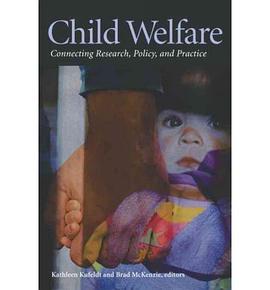
Child Welfare This comprehensive volume delves into the multifaceted landscape of safeguarding children's well-being, exploring the intricate systems, policies, and practices designed to protect vulnerable youth from harm and foster their healthy development. It offers a critical examination of the historical evolution of child welfare services, tracing the societal shifts that have shaped our understanding of childhood and the responsibilities we hold towards its youngest members. The book navigates the complex interplay between individual children, families, communities, and the state in ensuring a nurturing and secure environment. It thoroughly investigates the various forms of child maltreatment, including neglect, physical abuse, sexual abuse, and emotional abuse, presenting current research on their prevalence, impact, and underlying causes. Understanding the dynamics of adverse childhood experiences (ACEs) and their long-term consequences on physical and mental health, educational attainment, and social functioning is a central theme. A significant portion of the text is dedicated to the principles and methodologies employed in child protective services (CPS). It details the process of identifying at-risk children, the protocols for investigation and assessment, and the range of interventions available to support families and ensure child safety. This includes an in-depth look at case management, permanency planning, and the legal frameworks that govern child protection. The concept of family preservation and reunification is explored in detail, highlighting strategies that empower parents and caregivers while prioritizing the child's best interests. The book examines the role of early intervention programs, home-visiting initiatives, and parent education in strengthening families and preventing the escalation of risk factors. Furthermore, Child Welfare provides a nuanced exploration of alternative care arrangements when children cannot remain safely in their own homes. Foster care, kinship care, and adoption are discussed as vital avenues for providing stability and permanency. The challenges and complexities associated with each of these placements are addressed, including issues of attachment, trauma, and the transition to adulthood for young people who have been in out-of-home care. The book also examines the crucial role of community-based services and supports in bolstering child welfare. This encompasses the contributions of schools, healthcare providers, mental health professionals, faith-based organizations, and community centers in creating a network of support for children and families. It underscores the importance of culturally competent and responsive services that acknowledge and respect diverse family structures and cultural backgrounds. Beyond direct service delivery, Child Welfare engages with the policy and advocacy dimensions of the field. It analyzes the legislative and policy frameworks that shape child welfare systems at local, national, and international levels. The impact of funding, political will, and public awareness on the effectiveness of child protection efforts are critically assessed. The book encourages a proactive approach to policy reform and advocates for evidence-based practices that promote equitable outcomes for all children. The publication also addresses the professional development and ethical considerations for individuals working in child welfare. It highlights the essential skills, knowledge, and personal qualities required to navigate the demanding and often emotionally challenging work of protecting children. Ethical dilemmas, burnout prevention, and the importance of ongoing supervision and professional growth are key discussion points. In its entirety, Child Welfare serves as a foundational text for students, practitioners, policymakers, and anyone concerned with the fundamental right of every child to grow up safe, healthy, and loved. It aims to foster a deeper understanding of the challenges and triumphs within child welfare, inspiring a collective commitment to building stronger families and more resilient communities for the next generation.
作者简介
目录信息
读后感
评分
评分
评分
评分
评分
用户评价
评分
评分
评分
评分
评分
相关图书



















本站所有内容均为互联网搜索引擎提供的公开搜索信息,本站不存储任何数据与内容,任何内容与数据均与本站无关,如有需要请联系相关搜索引擎包括但不限于百度,google,bing,sogou 等
© 2026 book.quotespace.org All Rights Reserved. 小美书屋 版权所有