

具体描述
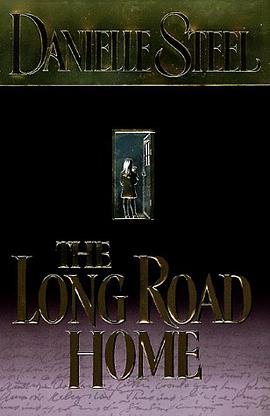
Bestselling novelist Danielle Steel takes us on a harrowing journey into the heart of America's hidden shame in a novel that explores the power of forgiveness, the dark side of childhood, and one woman's unbreakable spirit.
From her secret perch at the top of the stairs, Gabriella Harrison watches the guests arrive at her parents' lavish Manhattan townhouse.At seven, she knows she is an intruder in her parents' party, in her parents' life.But she can't resist the magic.Later, she waits for the click, click, click of her mother's high heels, the angry words, and the pain that will follow.Gabriella already knows to hide her bruises, certain she is to blame for her mother's rage--and her father's failure to protect her.Her world is a confusing blend of terror, betrayal, and pain.Her parents' aristocratic world is no safeguard against the abuse that knows no boundaries, respects no person, no economic lines.Gabriella knows that, try as she might, there is no safe place for her to hide.
Even as a child, her only escape is through the stories she writes.Only writing can dull the pain of her lonely world.And when her parents' marriage collapses, Gabriella is given her first reprieve, as her father disappears, and then her mother abandons her to a convent.There, Gabriella's battered body and soul begin to mend.Amid the quiet safety and hushed rituals of the nuns, Gabriella grows into womanhood in a safe, peaceful world.Then a young priest comes into her life.
Father Joe Connors never questioned his vocation until Gabriella entered the confessional and shared her soul.Confession leads to friendship.And friendship grows dangerously into love.Like Gabriella, Joe is haunted by the pain of his childhood, consumed by guilt over a family tragedy, for which he blames himself.With Gabriella, Joe takes the first steps toward healing.But their relationship leads to tragedy as Joe must choose between the priesthood and Gabriella, and life in the real world where he fears he does not belong, and cannot cope.
Exiled and disgraced, and nearly destroyed, Gabriella struggles to survive on her own in New York.There she seeks healing and escape through her writing again, this time as an adult, and her life as a writer begins.But just when she thinks she is beyond hurt, Gabriella is once again betrayed by someone she trusts.Brought to the edge of despair, physically attacked beyond recognition and belief, haunted by abuse in her present and her past, she nonetheless manages to find hope again, and the courage to face the past.On a pilgrimage destined to bring her face-to-face with those who sought to destroy her in her early life, she finds forgiveness, freedom from guilt, and healing from abuse.When Gabriella faces what was done to her, and why, she herself is free at last.
With profound insight, Danielle Steel has created a vivid portrait of an abused child's broken world, and the courage necessary to face it and free herself from the past.A work of daring and compassion, a tale of healing that will shock and touch and move you to your very soul, it exposes the terror of child abuse, and opens the doors on a subject that affects us all. The Long Road Home is more than riveting fiction.It is an inspiration to us all.A work of courage, hope, and love.
作者简介
目录信息
读后感
评分
评分
评分
评分
用户评价
这本书最让我震撼的是它对“失落”这一主题的探讨深度和广度。它探讨的失落并非仅仅是亲人的离去或物质的失去,而是更深层次的、存在主义意义上的漂泊感——关于身份的迷失、关于理想的幻灭,乃至关于历史记忆的断裂。作者似乎并不急于提供安慰或廉价的解决方案,而是冷静地展示了角色们如何在破碎的世界中挣扎求存。我特别欣赏作者处理创伤的方式,它不是那种煽情式的倾泻,而是通过反复的、近乎强迫性的重访来完成的。角色们一遍又一遍地回到那个决定性的瞬间,试图从不同的角度去理解它,去寻找一个可以让他们继续前行的支点,但往往只找到了更多的疑问和无法弥合的裂痕。这种对人性脆弱面的诚实展现,是极其难得的。它让你不得不直面那些自己也曾试图回避的问题:我们如何与过去的自己和解?我们所珍视的“真实”究竟有多可靠?这本书没有给出答案,但它提供了一个安全的、尽管令人不安的空间,让读者得以在作者搭建的文本迷宫中,探索自己的内心地图。
评分从结构上看,这本书的野心是巨大的,它试图在一个相对紧凑的篇幅内,映射出一个时代甚至是一段文明的侧影。它成功地将宏大的历史背景与微观的个体命运编织在一起,两者之间相互映照,互为注脚。历史的重量并非是抽象的背景板,而是切切实实地压在每一个角色的肩上,影响着他们最细微的决定。举例来说,书中对某个特定历史事件的描绘,不是通过官方的、简化的口径,而是通过几个不同阶层、不同立场的人的碎片记忆来呈现的,这些记忆互相矛盾、互相补充,最终构成了一幅远比任何官方记录都要复杂和生动的画面。这种“多声部”的叙事策略,要求读者具备高度的专注力和批判性思维,因为作者并没有明确地告诉你“谁是对的,谁是错的”,而是把判断的权利完全交给了读者。这种对叙事权威的消解,极大地增强了文本的生命力和开放性,让每一次重读都可能带来全新的理解和侧重。这种构建复杂世界的功力,实属罕见。
评分我必须说,这本书在语言的运用上展现出一种近乎于古典主义的精确和现代主义的疏离感的奇妙平衡。它的词汇选择极其考究,没有一句多余的赘述,每一个名词和动词都像是经过了精密的切割和打磨,镶嵌在句子结构中,发出清脆的声响。特别是一些描绘环境的段落,简直可以摘出来单独装裱起来,比如对某种特定光线下的空气质感的捕捉,或是对城市喧嚣背景音的微妙区分,都透露出作者非凡的观察力。然而,这种高度凝练的文字并没有带来冷漠感,相反,它形成了一种强大的张力,将读者推向了故事的核心。作者擅长使用比喻,但这些比喻并非陈词滥调,而是带着强烈的个人印记,它们常常是意想不到的组合——比如将一种强烈的情绪比作某种罕见的矿物,或者将一段复杂的历史描绘成一件制作精良但已然残破的工艺品。这种文字的质感,让阅读体验变成了一种感官上的享受,仿佛不仅仅是在看故事,更是在触摸和品味文字本身。读完之后,合上书页,那种文字留下的回味是绵长而有力的,它不像流行小说那样读完即弃,而是像陈年的酒,需要时间去细细品咂其中的醇厚。
评分这本书的节奏把控,如同一个技艺高超的指挥家在驾驭一支庞大而情绪化的乐队。它深知何时需要小提琴的哀婉,何时需要定音鼓的震撼。起初,阅读的步伐是缓慢的,像是清晨的薄雾,一切都显得朦胧而充满未知,作者用大量的时间来铺陈人物的日常和周遭的环境,让人沉浸其中,几乎忘记了冲突的迫近。但一旦关键的转折点到来,节奏会骤然加快,情节如洪水决堤般汹涌而来,叙事的密度陡然增加,信息量爆炸,让你感到几乎无法跟上那种心跳加速的感觉。最巧妙的是,在最紧张的时刻,作者又会插入一段近乎冥想式的、与主线情节看似无关的片段——也许是一段诗歌的引用,也许是对一片星空的描绘——这些插曲起到了类似减压阀的作用,让读者的情绪得以短暂地喘息,同时又在潜意识中加深了即将到来的下一波高潮的冲击力。这种对情绪曲线的精准拿捏,使得阅读体验充满了戏剧性的起伏,从头到尾都牢牢抓住了读者的注意力,让人既感到投入,又不会因为过于紧张而感到疲惫,是一种高明的叙事工程学。
评分这本书的叙事手法着实令人耳目一新,它不像传统的线性叙事那样按部就班,而是像一幅被打散又重新拼凑起来的马赛克,每一块碎片都闪烁着独特的光芒,共同构建出一个宏大而又细腻的图景。作者对于时间轴的把控简直是大师级的,时而快速跳跃,仿佛在疾驰的列车上匆匆掠过窗外的风景,让人喘不过气来却又忍不住想看清下一秒的景象;时而又戛然而止,将镜头聚焦于一个微不足道的日常细节,比如光影在旧木地板上投下的形状,或是雨滴敲打窗棂的声响,让你在那一刻被完全吸入人物的内心世界。这种处理方式,使得情感的爆发点显得更加深沉和不可预测,你以为故事将走向一个平淡的结局,却被一个突如其来的闪回或者一个看似无关紧要的对话狠狠地击中。阅读的过程,与其说是被动地接受信息,不如说是在主动地参与解谜,你需要不断地在不同的时间点和人物视角之间穿梭、连接,才能真正领悟到作者试图传达的那种关于记忆、选择与宿命的复杂主题。书中角色的内心独白更是精妙绝伦,它们不是那种教科书式的心理分析,而是充满了矛盾、犹豫和自我欺骗,真实得让人感到一丝不安,因为你仿佛看到了自己内心深处那些不愿承认的阴影。整体来看,这本书挑战了阅读的舒适区,但回报是丰厚的,它迫使你慢下来,去感受文字背后的重量与层次。
评分 评分 评分 评分 评分相关图书


















本站所有内容均为互联网搜索引擎提供的公开搜索信息,本站不存储任何数据与内容,任何内容与数据均与本站无关,如有需要请联系相关搜索引擎包括但不限于百度,google,bing,sogou 等
© 2026 book.quotespace.org All Rights Reserved. 小美书屋 版权所有