
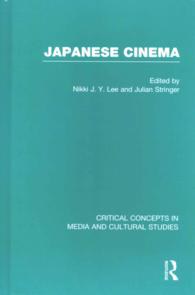

具体描述
Japanese cinema is historically one of the world’s most important national film industries and one that continues to have a significant global influence. From the Golden Age of the 1930s and the 1950s art-house success of Kurosawa, Mizoguchi, and Ozu to the 1960s New Wave of Imamura and Oshima and the ubiquitous contemporary presence of sci-fi and anime, Japan has produced directors and genres of central importance to the development of cinema as both art and industry. Indeed, no college or university course on international film history or modern world cinema is complete without substantial reference to Japan’s mighty achievements.
Despite the crucial contribution of work on Japan to the development of Film Studies as a distinct object of intellectual inquiry, as well as the ongoing vibrancy of Japanese Cinema Studies as a dynamic interdisciplinary endeavour, to date no reference work has gathered all the most important scholarly writings on the topic. This welcome addition to Routledge’s Critical Concepts in Media and Cultural Studies series remedies that omission. It presents for the first time the most significant English-language work on the history and culture of Japanese cinema.
Edited by two leading scholars in the field, this major new reference resource offers a multi-dimensional overview of one hundred years of filmmaking in Japan. It explores the subject from all key angles, encompassing production and the role of commercial film studios, distribution, exhibition, issues of critical reception, fandom, and the cultural status of cinema as aesthetic medium. Every major period is represented, including early and silent cinema, the years of empire and war, postwar resurgence and political strife, globalization and multimedia reconfiguration. In addition, the collection includes consideration of key films and filmmakers, alongside approaches to Japanese cinema’s perceived uniqueness and debates on its relation to society, as well as to Hollywood and other film industries. Contributions are drawn from the various disciplines where the most important work on Japanese cinema has been produced, including Film Studies, Japan Studies, Asian Studies, and Cultural Studies.
Japanese Cinema is supplemented by a comprehensive index. It also includes a full introduction, newly written by the editors, which outlines the various historical contexts for the emergence of mature scholarly approaches to the subject.
作者简介
Edited and with a new introduction by Nikki J. Y. Lee, Nottingham Trent University; and Julian Stringer, University of Nottingham.
目录信息
Part 1: Key Positions
1. Donald Richie, ‘The Japanese Film: A Personal View—1947–1995’, Asian Cinema, 1995, 7, 2, 3–17.
2. Peter Lehman, ‘The Mysterious Orient, the Crystal Clear Orient, the Non-existent Orient: Dilemmas of Western Scholars of Japanese Film’, Journal of Film and Video, 1987, 39, 1, 5–15.
3. Mitsuhiro Yoshimoto, ‘Japanese Cinema in Search of a Discipline’, Kurosawa: Film Studies and Japanese Cinema (Duke University Press, 2000), pp. 8–49.
4. Kenji Iwamoto, ‘Film Criticism and the Study of Cinema in Japan: A Historical Survey’, Iconics, 1987, 1, 129–46.
5. Yuriko Furuhata, ‘Returning to Actuality: Fûkeiron and the Landscape Film’, Screen, 2007, 48, 3, 345–62.
6. Mika Ko, ‘"Neo-Documentarism" in Funeral Parade of Roses: The New Realism of Matsumoto Toshio’, Screen, 2011, 52, 3, 376–90.
Part 2: The Silent Era
7. Komatsu Hiroshi, ‘Some Characteristics of Japanese Cinema before World War I’, in Arthur Nolletti Jr. and David Desser (eds.), Reframing Japanese Cinema: Authorship, Genre, History (Indiana University Press, 1992), pp. 229–58. (Translated by Linda C. Ehrlich and Yuko Okutsu.)
8. Aaron Gerow, ‘The Motion Pictures as a Problem’, Visions of Japanese Modernity: Articulations of Cinema, Nation, and Spectatorship, 1895–1925 (University of California Press, 2010), pp. 40–65.
9. Tanizaki Jun’ichirō, ‘The Present and Future of Moving Pictures’, in Thomas LaMarre, Shadows on the Screen: Tanizaki Junichirō on Cinema and ‘Oriental’ Aesthetics (Center for Japanese Studies, University of Michigan, 2005), pp. 65–74. (Translated by Thomas LaMarre.)
10. Joanne Bernardi, ‘Developing Images, Defining Words’, Writing in Light: The Silent Scenario and the Japanese Pure Film Movement (Wayne State University Press, 2001), pp. 21–66.
11. Daisuke Miyao, ‘Before Anime: Animation and the Pure Film Movement in Pre-War Japan’, Japan Forum, 2002, 14, 2, 191–209.
12. Mitsuyo Wada-Marciano, ‘The Creation of Modern Space’, Nippon Modern: Japanese Cinema of the 1920s and 1930s (University of Hawai’i Press, 2008), pp. 15–42.
13. Chika Kinoshita, ‘The Benshi Track: Mizoguchi Kenji’s The Downfall of Osen and the Sound Transition’, Cinema Journal, 2011, 50, 3, 1–25.
Part 3: Constructing Classical Cinema
14. David Bordwell, ‘Visual Style in Japanese Cinema, 1925–1945’, Film History, 1995, 7, 1, 5–31.
15. Noel Burch, ‘Cross-Currents’, To the Distance Observer: Form and Meaning in the Japanese Cinema (University of California Press, 1979), pp. 89–122.
16. Freida Freiberg, ‘Turning Serious: Yamanaka Sadao’s Humanity and Paper Balloons (1937)’, in Alastair Phillips and Julian Stringer (eds.), Japanese Cinema: Texts and Contexts (Routledge, 2007), pp. 50–62.
17. Donald Kirihara, ‘The International Film Culture of Japan’, Patterns of Time: Mizoguchi and the 1930s (University of Wisconsin Press, 1992), pp. 39–57.
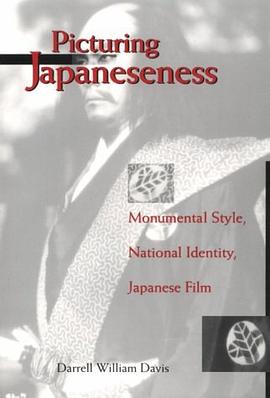
18. Darrell William Davis, ‘Approaching the Monumental Style’, Picturing Japaneseness: Monumental Style, National Identity, Japanese Film (Columbia University Press, 1996), pp. 37–72.
19. Akira Kurosawa, ‘The Men Who Tread on the Tiger’s Tail’, Something Like an Autobiography (Vintage Books, 1983), pp. 140–4. (Translated by Audie E. Bock.)
Volume II: Post-1945: Authorship and Genre
Part 4: Approaches to the Post-War Industry
20. Joseph L. Anderson and Donald Richie, ‘New Sequence: 1945–1949’, The Japanese Film: Art and Industry (Princeton University Press, 1982), pp. 159–80.
21. Colleen A. Laird, ‘Star Gazing: Sight Lines and Studio Brands in Post-War Japanese Film Posters’, Journal of Japanese and Korean Cinema, 2011, 3, 2, 95–115.
22. Jasper Sharp, ‘Buddha: Selling an Asian Spectacle’, Journal of Japanese and Korean Cinema, 2012, 4, 1, 29–52.
23. Ronald Domenig, ‘Anticipation of Freedom: Art Theatre Guild and Japanese Independent Cinema’, Midnight Eye, 2004.
24. Rayna Denison, ‘The Language of the Blockbuster: Promotion, Princess Mononoke and the Daihitto in Japanese Film Culture’, in Leon Hunt and Leung Wing-Fai (eds.), East Asian Cinemas: Exploring Transnational Connections on Film (I. B. Tauris, 2008), pp. 103–19.
25. Isolde Standish, ‘Reflections: Cross-Cultural Perspectives or Do Japanese Films Exist?’, A New History of Japanese Cinema: A Century of Narrative Film (Continuum, 2006), pp. 327–41.
Part 5: Authorship Case Study: Ozu Yasujiro
26. Donald Richie, ‘Script’, Ozu (University of California Press, 1974), pp. 18–62.
27. Edward Branigan, ‘The Space of Equinox Flower’, Screen, 1976, 17, 2, 74–105.
28. Hasumi Shigehiko, ‘Sunny Skies’, in David Desser (ed.), Ozu’s ‘Tokyo Story’ (Cambridge University Press, 1997), pp. 118–29. (Translated by Kathy Shigeta.)
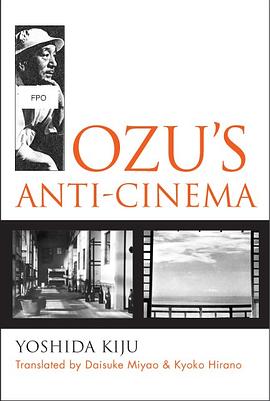
29. Yoshida Kiju, ‘The All-Important Archeo-Cinematic Scene’, Ozu’s Anti-Cinema (Center for Japanese Studies, The University of Michigan, 2003), pp. 17–36. (Translated by Daisuke Miyao and Kyoko Hirano.)
30. H. C. Li, ‘Tokyo Story through Western Eyes: The Occidental Appreciation of Ozu’s Art’, in Li Cheuk-to and H.C. Li (eds.), Ozu Yasujiro: 100th Anniversary (Hong Kong Arts Development Council: 27th Hong Kong International Film Festival Programme, 2003), pp. 49–54.
31. Alastair Phillips, ‘Pictures of the Past in the Present: Modernity, Femininity and Stardom in the Post-War Films of Ozu Yasujiro’, Screen, 2003, 44, 2, 154–66.
Part 6: Exploring Genres
32. Paul Schrader, ‘Yakuza-Eiga: A Primer’, Film Comment, 1974, 10, 1, 9–17.
33. David Desser, ‘Toward a Structural Analysis of the Postwar Samurai Film’, in Arthur Nolletti Jr. and David Desser (eds.), Reframing Japanese Cinema: Authorship, Genre, History (Indiana University Press, 1992), pp. 145–64.
34. Hiroshi Kitamura, ‘Shoot-Out in Hokkaido: The "Wanderer" (Wataridori) Series and the Politics of Transnationality’, in Philippa Gates and Lisa Funnell (eds.), Transnational Asian Identities in Pan-Pacific Cinemas: The Reel Asian Exchange (Routledge, 2012), pp. 31–45.
35. Abé Mark Nornes, ‘The Innovation of Prokino’, Japanese Documentary Film: The Meiji Era Through Hiroshima (University of Minnesota Press, 2003), pp. 19–47.
36. Hara Kazuo, ‘Invading the Realm of Privacy’, Camera Obtrusa: The Action Documentaries of Hara Kazuo (Kaya Press, 2009), pp. 3–6. (Translated by Pat Noonan and Takuo Yasuda.)
37. Catherine Russell, ‘"Overcoming Modernity": Gender and the Pathos of History in Japanese Film Melodrama’, Camera Obscura, 1995, 35, 131–57.
38. Julian Stringer, ‘The Original and the Copy: Nakata Hideo’s Ring (1998)’, in Alastair Phillips and Julian Stringer (eds.), Japanese Cinema: Texts and Contexts (Routledge, 2007), pp. 296–307.
Volume III: Cinema and Society
Part 7: Understanding Cultural Regulation
39. Michael Baskett, ‘From Film Colony to Film Sphere’, The Attractive Empire: Transnational Film Culture in Imperial Japan (University of Hawai’i Press, 2008), pp. 13–40.
40. Peter B. High, ‘The Glory Days of the Kulturfilm’, The Imperial Screen: Japanese Film Culture in the Fifteen Years’ War, 1931–1945 (University of Wisconsin Press, 2003), pp. 92–148.
41. Kyoko Hirano, ‘The Strikes at Toho Studio’, Mr Smith Goes to Tokyo: Japanese Cinema under the American Occupation, 1945–1952 (Smithsonian Institution Press, 1992), pp. 205–40.
42. Kirsten Cather, ‘Dirt for Politics’ Sake: The Black Snow Trial (1965–1969)’, The Art of Censorship in Postwar Japan (University of Hawai’i Press, 2012), pp. 85–115.
43. Nagisa Oshima, ‘Text of Plea’, in Annette Michelson (ed.), Cinema, Censorship, and the State: The Writings of Nagisa Oshima, 1956–1978 (MIT Press, 1992), pp. 265–86. (Translated by Dawn Lawson.)
Part 8: Star Identities
44. Hideaki Fujiki, ‘Benshi as Stars: The Irony of the Popularity and Respectability of Voice Performers in Japanese Cinema’, Cinema Journal, 2006, 45, 2, 68–84.
45. Daisuke Miyao, ‘A Star is Born: The Transnational Success of The Cheat and Its Race and Gender Politics’, Sessue Hayakawa: Silent Cinema and Transnational Stardom (Duke University Press, 2007), pp. 21–49.
46. Shelley Stephenson, ‘A Star by Any Other Name: The (After) Lives of Li Xianglan’, Quarterly Review of Film and Video, 2002, 19, 1, 1–13.
47. Michael Raine, ‘Ishihara Yûjirô: Youth, Celebrity, and the Male Body in Late-1950s Japan’, in Dennis Washburn and Carole Cavanaugh (eds.), Word and Image in Japanese Cinema (Cambridge University Press, 2001), pp. 202–25.
48. Casio Abe, ‘Television is Only the Modern Age’, in William O. Gardner and Daisuke Miyao (eds.), Beat Takeshi vs. Takeshi Kitano (Kaya Press, 1994), pp. 3–44. (Translated by William O. Gardner and Takeo Hori.)
Part 9: Gender and Sexuality
49. Chika Kinoshita, ‘In the Twilight of Modernity and the Silent Film: Irie Takako in The Water Magician’, Camera Obscura, 2005, 60, 91–127.
50. Joanne Izbicki, ‘The Shape of Freedom: The Female Body in Post-Surrender Japanese Cinema’, US-Japan Women’s Journal English Supplement, 1997, 12, 109–53.
51. Keiko McDonald, ‘Daring to be First: The Japanese Woman Director Tazuko Sakane (1904–1971)’, Asian Cinema, 2007, 18, 2, 128–46.
52. Isolde Standish, ‘Facts, Fictions and Fantasy’, in Myth and Masculinity in the Japanese Cinema: Towards a Political Reading of the ‘Tragic Hero’ (Curzon, 2000), pp. 158–92.
53. Jonathan M. Hall, ‘Japan’s Progressive Sex: Male Homosexuality, National Competition, and the Cinema’, Journal of Homosexuality, 2000, 39, 3–4, 31–82.
Part 10: Social Conflict and Cultural Upheaval
54. Michael Raine, ‘Modernization without Modernity: Masumura Yasuzō’s Giants and Toys (1958)’, in Alastair Phillips and Julian Stringer (eds.), Japanese Cinema: Texts and Contexts (Routledge, 2007), pp. 152–67.
55. David Desser, ‘Cruel Stories of Youth’, Eros Plus Massacre: An Introduction to the Japanese New Wave Cinema (Indiana University Press, 1988), pp. 39–75.
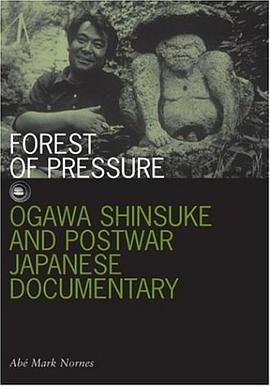
56. Abé Mark Nornes, ‘The Sanrizuka Series’, Forest of Pressure: Ogawa Shinsuke and Postwar Japanese Documentary (University of Minnesota Press, 2007), pp. 54–127.
57. Harry Harootunian, Sabu Kohso, and Go Hirasawa, ‘Messages in a Bottle: An Interview with Filmmaker Masao Adachi’, Boundary, 2008, 2, 35, 3, 63–97. (Translated by Philip Kaffen.)
58. Koichi Iwabuchi, ‘Political Correctness, Postcoloniality and the Self-Representation of "Koreanness" in Japan’, in Sonia Ryang (ed.), Koreans in Japan: Critical Voices from the Margin (Routledge, 2000), pp. 55–73.
59. Mika Ko, ‘Cosmetic Multiculturalism and Contemporary Japanese Cinema’, Japanese Cinema and Otherness: Nationalism, Multiculturalism and the Problem of Japaneseness (Routledge, 2010), pp. 32–62.
Volume IV: Transnational Japanese Cinema
Part 11: Production: Historical Dimensions
60. Janine Hansen, ‘The New Earth (1936/37): A German-Japanese Misalliance in Film’, in Aaron Gerow and Abé Mark Nornes (eds.), In Praise of Film Studies: Essays in Honor of Makino Mamoru (Kinema Club, 2001), pp. 184–98.
61. Yau Shuk-ting, Kinnia, ‘The Golden Age of Hong Kong-Japanese Collaboration’, Japanese and Hong Kong Film Industries: Understanding the Origins of East Asian Film Networks (Routledge, 2010), pp. 73–108.
62. Matthew Bernstein, ‘High and Low: Art Cinema and Pulp Fiction in Yokohama’, in James Naremore (ed.), Film Adaptation (Athlone Press, 2000), pp. 172–89.
63. Teruyo Nogami, ‘The Past Won’t Return: Remembering Dersu Uzala’, Waiting on the Weather: Making Movies with Akira Kurosawa (Stone Bridge Press, 2006), pp. 127–56. (Translated by Juliet Winters Carpenter.)
64. Darrell William Davis and Emily Yueh-yu Yeh, ‘The Power of Small Screens’, East Asian Screen Industries (British Film Institute, 2008), pp. 64–84.
65. Yoshiharu Tezuka, ‘Global America?: American-Japanese Film Co-Productions from Shogun (2008) to The Grudge 2 (2006) via Lost in Translation (2003)’, Japanese Cinema Goes Global: Filmworkers’ Journeys (Hong Kong University Press, 2012), pp. 113–43.
Part 12: Consumption and Audience Studies
66. Julian Stringer, ‘Japan 1951–1970: National Cinema as Cultural Currency’, Tamkang Review, 2002, 33, 2, 31–53.
67. David Desser, ‘Consuming Asia: Chinese and Japanese Popular Culture and the American Imaginary’, in Jenny Kwok Wah Lau (ed.), Multiple Modernities: Cinemas and Popular Media in Transcultural East Asia (Temple University Press, 2003), pp. 179–99.
68. David Morley and Kevin Robins, ‘Techno-Orientalism: Japan Panic’, Spaces of Identity: Global Media, Electronic Landscapes and Cultural Boundaries (Routledge, 1995), pp. 147–73.
69. Koichi Iwabuchi, ‘Taking "Japanization" Seriously: Cultural Globalization Reconsidered’, Recentering Globalization: Popular Culture and Japanese Transnationalism (Duke University Press, 2002), pp. 23–38.
70. Hiroshi Kitamura, ‘Choosing America: Eiga no tomo and the Making of a New Fan Culture’, Screening Enlightenment: Hollywood and the Cultural Reconstruction of Defeated Japan (Cornell University Press, 2010), pp. 155–76.
71. Yulia Mikhailova, ‘Apocalypse in Fantasy and Reality: Japanese Pop Culture in Contemporary Russia’, in William M. Tsutsui and Michiko Ito (eds.), In Godzilla’s Footsteps: Japanese Pop Culture Icons on the Global Stage (Palgrave Macmillan, 2006), pp. 181–99.
72. Jayson Makoto Chun, ‘Learning Bushidō from Abroad: Japan Reactions to The Last Samurai’, in Philippa Gates and Lisa Funnell (eds.), Transnational Asian Identities in Pan-Pacific Cinemas: The Reel Asian Exchange (Routledge, 2012), pp. 61–73.
Part 13: Anime as Global Brand
73. Freda Freiberg, ‘Akira and the Postnuclear Sublime’, in Mick Broderick (ed.), Hibakusha Cinema: Hiroshima, Nagasaki and the Nuclear Image in Japanese Film (Kegan Paul International, 1996), pp. 91–102.
74. Susan J. Napier, ‘Confronting Master Narratives: History as Vision in Miyazaki Hayao’s Cinema of De-assurance’, Positions: East Asia Cultures Critique, 2001, 9, 2, 467–93.
75. Giorgio Hadi Curti, ‘The Ghost in the City and a Landscape of Life: A Reading of Difference in Shirow and Oshii’s Ghost in the Shell’, Environment and Planning D: Society and Space, 2008, 26, 1, 87–106.
76. Thomas Lamarre, ‘The First Time as Farce: Digital Animation and the Repetition of Cinema’, in Steven T. Brown (ed.), Cinema Anime: Critical Engagements with Japanese Animation (Palgrave Macmillan, 2006), pp. 161–88.
77. Sean Leonard, ‘Progress Against the Law: Anime and Fandom, with the Key to the Globalization of Culture’, International Journal of Cultural Studies, 2005, 8, 3, 281–305.
· · · · · · (收起)
读后感
评分
评分
评分
评分
用户评价
我是一名普通的电影爱好者,没有专业的背景,但对日本电影有着一份真挚的热爱。这些年来,我观看了大量的日本电影,从经典的老片到新晋的佳作,我试图从中找到属于我自己的理解和感悟。然而,我常常会遇到一些困惑:为什么有些电影的节奏如此缓慢,却能让我沉浸其中?为什么有些角色不发一语,却能传递出丰富的情感?《Japanese Cinema》这本书的出现,就像是一盏指路明灯,让我看到了解决这些困惑的希望。我期待这本书能够用通俗易懂的语言,为我解析日本电影的独特美学。我希望它能够告诉我,那些看似不经意的镜头语言背后,蕴含着怎样的艺术考量。我更希望它能帮助我理解,日本电影中那种细腻的情感表达,是如何在不经意间触动观众的心灵,从而形成一种深刻的共鸣。
评分这本书的封面设计就足以让我眼前一亮。深邃的蓝色背景,点缀着几抹象征着日本传统艺术的留白,仿佛一幅古老的水墨画。在书名“Japanese Cinema”下方,用细致的笔触勾勒出一张模糊的电影胶片,又像是古老的日式扇面,散发着一种静谧而迷人的东方韵味。我迫不及待地翻开扉页,作者的名字出现在那里,虽然我之前未曾听闻,但光是这份精美的设计,就已经让我对这本书的内容充满了期待。我喜欢这种不落俗套的封面,它不像市面上很多图书那样,用明星的面孔或者夸张的标题来吸引眼球,而是用一种含蓄而富有艺术感的方式,悄然触动你内心深处对电影的热爱。我相信,一本如此用心设计书籍,其内容也必定会同样精彩。我期待着它能为我打开一扇了解日本电影的窗户,让我能够更深入地理解那些曾经让我着迷的日本电影,也能发现更多我尚未触及的宝藏。这本书不仅仅是一本书,更是一件可以收藏的艺术品。
评分我是一个对细节非常敏感的观众,我喜欢发现电影中那些不经意间流露出的、却至关重要的细节。《Japanese Cinema》这本书,如果能够在这方面有所着墨,那将是锦上添花。我希望它能帮助我理解,日本电影中的镜头运用,是如何通过景别、构图、色彩等元素,来营造特定的氛围和表达情感的。我更希望它能揭示,日本电影中那些看似平凡的道具、服装、场景布置,是如何承载着丰富的文化信息和象征意义的。例如,一个人物的穿着打扮,或者他所处的房间陈设,是否都蕴含着某种特殊的含义?我希望这本书能够成为我的“显微镜”,让我能够更细致地去观察和理解日本电影中的每一个细节,从而发现那些隐藏在表面之下的艺术匠心。
评分我一直认为,电影不仅仅是一种娱乐方式,更是一种反映社会、影响文化的重要媒介。《Japanese Cinema》这本书,听起来就非常有分量,它让我看到了一个深入了解日本社会文化与电影之间关系的契机。我希望这本书能够不仅仅停留在电影的艺术层面,而是能够探讨电影是如何折射出日本社会的变迁,例如家庭观念的演变、城市化进程的影响,以及不同时代年轻人的生活状态和思想观念。我渴望了解,日本电影中的一些经典主题,比如“物哀”、“武士道精神”,或者是一些特定社会现象,是如何通过电影得以展现和讨论的。我希望这本书能帮助我理解,日本电影为何能如此精准地捕捉到日本社会的脉搏,并用艺术的方式将其呈现出来,从而让我能够更深层次地理解日本这个国家。
评分我平时不太关注电影的背后故事,更多的是沉浸在电影本身带给我的情感体验。但最近看了几部日本电影,让我开始好奇,是什么样的创作环境,孕育出了如此多优秀的电影作品。《Japanese Cinema》这本书,似乎提供了一个了解这个创作环境的窗口。我希望这本书能够深入介绍日本电影产业的运作模式,包括电影公司的历史、制片体系的特点,以及电影从业者们的工作状态。我更希望它能揭示,在日本独特的社会文化背景下,电影创作者们是如何保持自己的艺术追求,又是如何与商业市场进行平衡的。我希望这本书能让我看到,在那些光鲜亮丽的银幕背后,有着怎样一群充满激情和才华的人们,在为我们奉献一部部精彩的电影。
评分说实话,我选择购买这本书,很大程度上是因为它的名字——“Japanese Cinema”。这四个字本身就承载了太多的回忆和情感。从中学时代第一次在电视上看到《七武士》,被那宏大的叙事和鲜明的人物所震撼,到大学时期沉迷于《情书》的细腻情感和唯美画面,再到最近几年被是枝裕和的作品所触动,日本电影似乎一直在用一种独特的方式,触碰我内心最柔软的部分。然而,我对这些电影的喜爱,更多的是一种直观的感受,我缺乏一个系统性的框架来理解它们。我希望这本书能够帮助我构建起这样一个框架。我期待它能解释,为什么日本电影中常常流露出一种淡淡的忧伤,为什么一些看似平凡的生活片段,在电影中却能被赋予如此动人的力量。我渴望了解日本电影中独特的“物哀”精神,以及这种精神是如何体现在电影的叙事、镜头语言和人物塑造之上的。
评分最近我迷上了看一些老电影,尤其是那些经典的日本黑白片。那些影像虽然模糊,却有着一种穿越时空的魅力。我发现,很多当代日本导演的风格,似乎都能在这些老电影中找到源头。但是,对于这些老电影的历史背景、它们是如何诞生的,以及它们在当时社会扮演的角色,我知之甚少。《Japanese Cinema》这本书,正是我想象中能够填补我知识空白的那个存在。我希望它能为我详细介绍日本电影发展的早期阶段,那些奠定了日本电影基石的导演和作品。我渴望了解,在那个特殊的历史时期,日本电影是如何在战争、社会变革等大背景下,发展出自己独特的艺术语言和叙事模式。我希望这本书能像一位博学的向导,带领我穿越时空的隧道,去感受那些曾经辉煌的日本电影时代。
评分作为一名曾经在电影学院学习过一些基础理论的学生,我对电影的分析有着自己的一套标准。然而,在接触日本电影时,我常常会发现,一些我熟悉的电影理论似乎无法完全解释它们的美妙之处。《Japanese Cinema》这本书,从书名来看,似乎提供了一个绝佳的视角,去深入理解日本电影的独特性。我希望这本书能够超越简单的导演和影片介绍,而是能够从更深层次的文化、哲学甚至心理学角度,去解读日本电影的艺术特质。我渴望了解,日本的传统哲学思想,例如禅宗、物哀等,是如何潜移默化地影响了日本电影的美学风格,以及它们是如何在电影的叙事、人物塑造和镜头语言中得以体现的。我希望能在这本书中找到一些关于日本电影的独特理论,或者对现有电影理论进行一种新的阐释,从而帮助我更深刻地理解那些让我着迷的日本电影。
评分我一直对日本电影情有独钟,从黑泽明的史诗巨作,到小津安二郎的温情日常,再到岩井俊二的青春物语,它们都以其独特的叙事方式和深刻的情感表达,在我心中留下了难以磨灭的印记。然而,我总感觉自己对日本电影的了解还停留在表层,对于其背后的文化根源、历史变迁以及艺术发展脉络,我仍然感到有些模糊。当我看到《Japanese Cinema》这本书时,我仿佛看到了一个难得的机会,可以系统地、深入地去探索这个我热爱的电影国度。我迫切地希望这本书能够为我梳理出一条清晰的日本电影发展的时间线,让我能够理解不同时代背景下电影风格的演变,以及它们是如何受到社会文化和历史事件的影响。我更希望能在这本书中看到一些关于重要导演、演员、编剧以及他们代表作品的深度剖析,不只是简单的介绍,而是能够挖掘出他们创作背后的思考,以及他们对日本电影乃至世界电影产生的深远影响。
评分我喜欢看那些能够引起我思考的电影,而日本电影恰恰是这类电影的宝库。从那些深刻探讨人性、探讨社会问题的电影,到那些充满哲学意味的影片,它们总能在我观影后留下长久的回味。《Japanese Cinema》这本书,如果能提供一些对这些电影进行深度解读的内容,那将是我最大的惊喜。我希望这本书能够带领我,一层一层地剥开那些深刻的电影主题,去理解导演在其中所要传达的深层含义。我渴望知道,那些看似晦涩的叙事背后,隐藏着怎样的哲学思考,那些充满象征意义的镜头语言,又指向了怎样的精神世界。我希望这本书能够成为我理解这些复杂电影的“秘籍”,让我能够不再是仅仅被动地接受,而是能够主动地去探索和理解。
评分 评分 评分 评分 评分相关图书









本站所有内容均为互联网搜索引擎提供的公开搜索信息,本站不存储任何数据与内容,任何内容与数据均与本站无关,如有需要请联系相关搜索引擎包括但不限于百度,google,bing,sogou 等
© 2026 book.quotespace.org All Rights Reserved. 小美书屋 版权所有