
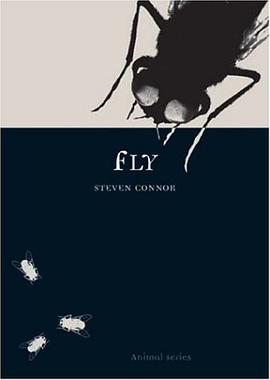

具体描述
Few creatures live in such close and intimate contact with human beings as flies. As the constant, immemorial witnesses to the human comedy', flies accompany human beings wherever they go, even beyond (or at least into) the grave. Almost one tenth of all the species known to science are flies. For centuries, flies have been seen as mankind's enemy, blamed for plagues, subject to public excommunication in the Middle Ages and campaigns of extermination during the early years of the twentieth century. As Lord of the Flies', Beelzebub is the embodiment of evil. For many centuries, flies were thought to be produced by spontaneous generation, and thus not to be legitimate parts of God's creation. From St John Chrysostomos through to David Cronenberg, flies and, more especially, their maggots have represented the horror of the formless. And yet human beings have also found it easy to identify with the weakness and vulnerability of their intimate enemies and even occasionally to admire their pursuit of pleasure. "Fly" explores the slow redemption of the fly, as the intricate miracle of its design and function gradually became appreciated. The secrets of the fly's uniquely versatile powers of flight are only just beginning to be understood and harnessed. The twentieth century that began with worldwide campaigns for the extermination of the fly ended with the humble fruit fly at the centre of the revolution brought about by genetics. Connor delights in tracking his lowly subject through myth, literature, poetry, painting, film, and biology. Humans live in close and intimate quarters with flies, but "Fly" is the first book to give these common creatures their due.
作者简介
Steven Connor is a critic, broadcaster and cultural historian. He is Professor of Modern Literature and Theory in the School of Literature and Humanities at Birkbeck College, University of London, and is the author of many books including The English Novel in History (1995), James Joyce (1996), Dumbstruck: A Cultural History of Ventriloquism (2000) and The Book of Skin (Reaktion, 2004).
目录信息
读后感
评分
评分
评分
评分
用户评价
这本书的氛围感简直绝了,读起来就像是跟着主人公一起经历了一场漫长而又充满未知感的旅程。作者在描绘环境和人物内心挣扎时的笔触非常细腻,那种压抑又带着一丝希望的感觉,让人欲罢不能。故事情节的推进虽然不是那种惊心动魄的快节奏,但每一个转折都铺垫得恰到好处,让你在不经意间就被带入到故事的核心冲突之中。我尤其欣赏作者对于细节的把控,无论是场景的色彩运用还是人物细微的表情变化,都透露出一种深思熟虑的匠心。看完之后,脑海中仍然会时不时地浮现出书中的某些片段,那种意犹未尽的感觉,是真正优秀作品才有的标志。这本书的深度在于它没有给出简单的答案,而是将复杂的人性、选择与后果,赤裸裸地呈现在我们面前,留给读者的是无尽的思考空间。
评分这本书的节奏把握得简直像是专业的音乐指挥家,时而如急促的鼓点,推动着事件快速发展,让你心跳加速;时而又像悠扬的大提琴,将时间拉长,聚焦于角色内心最细微的波动。这种张弛有度的叙事,让阅读过程充满了层次感,避免了任何可能出现的冗长或仓促。我尤其欣赏作者对白的处理方式,那些对话往往言简意赅,却充满了潜台词,需要读者自己去挖掘隐藏在字里行间的深意。这种“少即是多”的表达哲学,贯穿了整本书,使得每一个重要的场景都像被精心雕琢过的宝石,闪耀着独特的光芒。它不是那种需要一口气读完的“爆米花”小说,而是一本需要细细品味,时常停下来回味一下,才能真正体会到其韵味的佳作。
评分这部作品的叙事结构非常精巧,我得花点心思才能完全跟上作者的思路,但一旦适应了这种非线性的叙事节奏,你会发现它带来的阅读体验是多么的独特和丰富。它不是那种平铺直叙的故事,更像是一张巨大的挂毯,需要你不断地在时间线和视角之间跳跃,才能拼凑出完整的图景。我特别喜欢作者那种游走于现实与梦境边缘的写作手法,它模糊了界限,使得故事的解读充满了开放性。每次我以为自己抓住了某种核心意义时,作者总能用一个新的视角或一个意象将我的认知再次颠覆。这种智力上的挑战感,对于我这种热衷于深度阅读的读者来说,简直是难以抗拒的诱惑。它要求你投入精力,但回报也同样丰厚,让你在合上书本时,感觉自己的思维也得到了极大的拓展和锻炼。
评分我发现这本书的书写视角非常独特,它似乎在不断地变换着观察点,有时是全知的上帝视角,下一秒又突然切入到一个特定人物最私密的第一人称感受中。这种流动的视角策略,极大地增强了故事的立体感和真实感。我感觉自己像一个拥有多重身份的观察者,从不同的角度审视着这个世界的运作法则和人物的选择逻辑。书中描绘的那些复杂的人际关系网络,处理得极其老练,没有绝对的好人或坏人,每个人都受困于自己的局限和时代的洪流之中。它挑战了我们对于“正义”和“邪恶”的简单二元对立看法,迫使我们去理解,在特定的情境下,每一个行动都有其难以言说的缘由。这是一本需要耐心,但绝对值得投入时间去探索的深度文学作品。
评分坦白讲,初读时我有些不适应这本书的语调,它带着一种冷峻的、近乎疏离的笔调,仿佛作者站在一个很高的位置俯瞰着笔下的一切,情绪表达非常克制。然而,正是这种克制,反而让那些偶尔迸发出来的强烈情感显得格外震撼人心。它没有使用煽情的词汇,却用最朴实的文字,勾勒出了角色们在巨大命运面前的无力与坚韧。这本书的成功之处在于,它成功地营造了一种“氛围”而非单纯的“情节”。读完后,我感受到的不是一个故事的结束,而是一片巨大情绪海洋的退潮,留下了满地的沉思的贝壳。它更像是一部哲学散文与小说形式的完美结合体,探讨的主题宏大而又贴近个体生存的本质困境。
评分 评分 评分 评分 评分相关图书











本站所有内容均为互联网搜索引擎提供的公开搜索信息,本站不存储任何数据与内容,任何内容与数据均与本站无关,如有需要请联系相关搜索引擎包括但不限于百度,google,bing,sogou 等
© 2026 book.quotespace.org All Rights Reserved. 小美书屋 版权所有