

具体描述
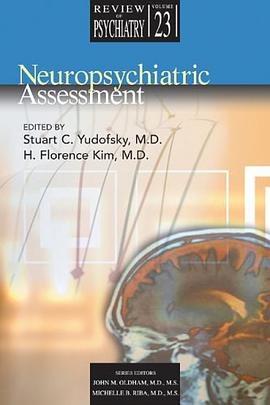
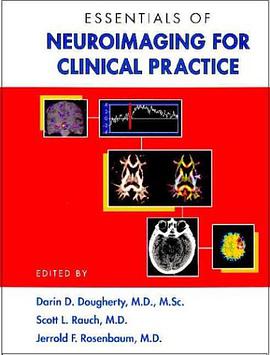
"What is neuropsychiatry?"This remarkable volume answers that question-and more. Neuropsychiatry, which focuses on assessment and diagnostic issues at the interface of psychiatry and neurology, is enjoying a renaissance, largely because of the technological innovations detailed in these five chapters. Here, 11 recognized experts have assembled an overview of the essential techniques, current research, and future trends in neuropsychiatric assessment, focusing on clinical applications for psychiatry patients.This eminently practical work begins with the cornerstone of any neuropsychiatric assessment, the physical examination and the medical and psychiatric history. Included here is a head-to-toe compendium of important signs and symptoms to elicit, along with the differential diagnoses of neuropsychiatric disorders to consider when faced with a particular constellation of signs and symptoms.Subsequent chapters discuss The critical importance of the "neuropsychological examination," traditionally administered by neuropsychologists and thus often overlooked by psychiatrists in routine workups of their patients. Topics addressed include the clinical approach to the interview process, fixed- and flexible-battery approaches to assessment, interpretation pitfalls, and future trends. The authors illustrate how this essential tool can reveal the major cognitive domains that may be involved in neuropsychiatric disorders and show how specific patterns of deficits in certain domains may help determine a neuropsychiatric diagnosis. The relevance of "electrophysiological testing," an underused but invaluable resource, to neuropsychiatric disorders. The authors discuss standard, topographic, and quantitative electroencephalography; cerebral evoked potentials, and polysomnography, providing recommendations for the application of these tools in certain clinical situations (e.g., cognitive decline, rapid-cycling bipolar disorder) and projections for broader uses of electrophysiological testing in the future. The key importance of "laboratory testing," especially in view of the complex array of neurological and medical illnesses that may underlie the symptoms of neuropsychiatric patients. The lack of consensus guidelines for the use of conventional laboratory testing, chest X rays, and electrocardiograms in screening patients with neuropsychiatric symptoms continues to constrain our ability to help these patients. The potential of today's increasingly sophisticated "neuroimaging approaches"-from structural and functional magnetic resonance imaging and magnetic resonance spectroscopy to diffusion tensor imaging and positron emission tomography-to reveal the brain and its pathways with unprecedented clarity. The authors provide a fascinating overview of the techniques involved and the current research findings in schizophrenia, major affective disorder, and obsessive-compulsive disorder. Intended to bring us closer to our goals of early detection of, more specific treatments for, and, ultimately, prevention of psychiatric illness, this in-depth yet concise volume on the research and practice of neuropsychiatry will find a wide audience among students, residents, and clinicians.
作者简介
目录信息
读后感
评分
评分
评分
评分
用户评价
坦率地说,这本书的深度让我感到既兴奋又有些许压力。它对评估工具的论述并非停留在说明书的层面,而是深入探讨了每一种方法背后的理论假设、局限性以及跨文化适用性的细微差别。特别是关于不同评估工具在敏感性和特异性上的权衡分析,作者展示了一种近乎苛刻的学术态度,不断地提醒读者任何评估工具都有其“盲点”。这种严谨性要求读者必须投入大量精力去消化吸收,绝非走马观花可以掌握。我用了很长时间才完全理解其中关于“认知负荷对测试表现的影响”这一章节的内容,它迫使我跳出传统的“得分高低”思维定势,去关注患者在测试过程中的“体验”本身。这本书像是一把尺子,量出了当前许多快速评估方法的不足之处,同时也为那些愿意投入时间和精力去进行精细化鉴别的专业人士指明了方向。它挑战了舒适区,但挑战的结果是显著的专业成长。
评分我将这本书放在了我的办公桌上,翻阅频率比我想象中要高得多。它在“整合性诊断”方面的论述,是这本书最让我印象深刻的亮点之一。很多教科书倾向于将神经学指标、精神病理学症状和主观报告割裂开来讨论,使得最终的诊断像是一个碎片拼图。而这本书,却提供了一个非常优雅的框架,指导读者如何将这些看似不相关的观察点,通过一个统一的“功能层级”模型串联起来。我发现,当我尝试用书中的方法去梳理我最近遇到的一个复杂病例时,那些原本纠缠不清的线索突然变得清晰有序,仿佛拨开了一层迷雾。这种将多个学科知识融会贯通的能力,是高级临床思维的体现,而这本书恰恰就是一座通往这种思维的桥梁。它不是教你如何快速给出一个标签,而是教你如何深入理解这个标签背后的复杂生物学和社会心理学机制。对于追求卓越的临床实践者来说,这本书提供的视角是革命性的。
评分我是在一个略显焦躁的雨天开始阅读这本书的,原本以为会是一次枯燥的学术攻坚战,没想到却意外地沉浸在作者细腻的笔触中。这本书的叙事风格非常具有“人情味”,它没有采用那种冷冰冰的公式化语言,而是巧妙地将冰冷的科学数据与鲜活的临床案例融合在一起。比如,在讨论边缘系统功能紊乱时,作者引用了几个非常引人深思的个案简述,这些简述精准地捕捉了患者在日常生活中可能表现出的细微行为差异,这比任何抽象的图表都更能触动人心。阅读这些案例,让我开始重新审视自己过去对某些诊断的刻板印象,意识到评估的真正难点在于捕捉那些“非典型”的表现。更让我赞赏的是,书中对评估结果的解释部分,它没有给出武断的结论,而是引导读者去思考多种可能性,鼓励临床医生保持批判性思维和开放的心态。这种对个体差异的尊重,使得这本书的价值超越了单纯的技术指南,更像是一部引导我们深入理解人类复杂心智的哲学著作。
评分这本书的装帧设计非常考究,封面采用了深邃的藏青色,配上银色的烫金字体,散发着一种低调而又专业的气息。初次翻阅时,我立刻被它严谨的逻辑结构所吸引。作者显然在神经科学和精神病学的交叉领域有着深厚的积累,行文如行云流水,将复杂的概念拆解得十分清晰。特别是关于执行功能障碍评估的章节,那套详细的临床观察和标准化测试工具介绍,简直就是一本实操手册。我惊喜地发现,它并非仅仅停留在理论层面,而是提供了大量可供一线临床工作者直接借鉴的实用方法论。那种循序渐进的讲解方式,让我在阅读过程中,仿佛有位经验丰富的前辈在身边耳提面命,每一个步骤、每一个注意事项都讲解得面面俱到,让人感到既踏实又充满信心去尝试新的评估路径。这种将学术深度与临床应用完美融合的能力,是很多同类书籍所不具备的。我个人认为,对于那些希望系统提升自身评估技能的初级住院医师或心理学研究人员来说,这本书无疑是一笔宝贵的财富,它教会的不仅仅是“如何做”,更是“为何要这么做”的底层逻辑。
评分这本书的排版和印刷质量绝对是业内顶尖水准。纸张的质感厚实且不反光,长时间阅读下来眼睛的疲劳感明显减轻了不少。我尤其喜欢它在图表和示意图上的处理方式。通常,专业书籍中的图表常常显得拥挤不堪,信息过载。然而,这本书的插图设计简洁明了,色彩运用克制而有效,每一个箭头、每一个区域划分都服务于清晰的传达目的。举个例子,关于脑区连接性的那几张复杂的网络图,作者通过巧妙的颜色渐变和层级划分,将原本令人望而生畏的结构变得一目了然。这不仅大大提高了阅读效率,也让我在复习重点时能够迅速定位关键信息。可以说,从拿到书的那一刻起,我就感受到了出版方对知识载体本身的重视,这种对细节的极致追求,间接提升了阅读体验的整体品质。它让人感觉,这不仅仅是一本工具书,更是一件值得收藏的学术精品。
评分 评分 评分 评分 评分相关图书















本站所有内容均为互联网搜索引擎提供的公开搜索信息,本站不存储任何数据与内容,任何内容与数据均与本站无关,如有需要请联系相关搜索引擎包括但不限于百度,google,bing,sogou 等
© 2026 book.quotespace.org All Rights Reserved. 小美书屋 版权所有