具体描述
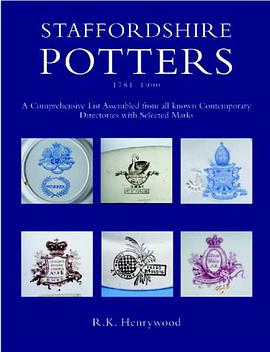
This is the most comprehensive list of Staffordshire potters ever published and includes much information unavailable in existing literature. This area produced some ninety percent of the pots made in England and is of prime importance in the study of British ceramics. The list has been assembled by extracting the data contained in directories published in the period, covering more than 10,000 entries from some sixty-one volumes. The book itself consists of introductory chapters covering historical aspects of the survey, a fascinating evaluation of the area under review and the directory of authors and publishers, followed by two major chapters - the assembled alphabetical list of over 3,000 potters and listings of all the original directory entries in date order. The work covers all potters, regardless of their products, working between 1781, the date of the earliest surviving directory, and the beginning of the twentieth century, by far the most popular period for collectors. The standard refere
Staffordshire Potters: A Chronicle of Craftsmanship and Innovation (1781-1900) The Staffordshire region, nestled in the heart of England, has long been synonymous with the art of pottery. From the humble beginnings of local artisans to the establishment of world-renowned ceramic empires, Staffordshire potters have shaped the landscape of decorative and functional ceramics for centuries. This volume delves into the pivotal period between 1781 and 1900, a transformative era that witnessed unprecedented innovation, artistic expression, and commercial growth within the Staffordshire pottery industry. A Foundation of Excellence: The late 18th century saw Staffordshire emerging as a powerhouse of ceramic production. The region benefited from a unique confluence of factors: abundant raw materials such as clay, coal, and flint; a skilled workforce with generations of inherited knowledge; and strategic geographical advantages for transportation and trade. It was during this period that key figures like Josiah Wedgwood laid the groundwork for modern industrial ceramics, championing scientific approaches to material formulation and kiln technology. His relentless pursuit of perfection and his pioneering spirit set a benchmark that would inspire countless others. The Age of Innovation and Specialization: As the 19th century dawned, the Staffordshire pottery industry embarked on a period of rapid evolution. New techniques and materials were continuously explored and refined. The development of transfer printing, for instance, revolutionized the decoration of pottery, making intricate designs accessible to a wider market. Bone china, with its translucent beauty and delicate strength, gained immense popularity, leading to the rise of firms specializing in fine tableware and decorative pieces. Earthenware and stoneware also saw significant advancements, with potters experimenting with new glazes, firing temperatures, and decorative techniques to produce a diverse range of products. The period also witnessed a remarkable degree of specialization within the industry. While some manufacturers focused on producing large quantities of utilitarian ware, others dedicated themselves to the creation of highly artistic and ornate pieces. This specialization fostered a culture of intense competition and innovation, driving potters to push the boundaries of their craft. From the robust utilitarian wares that graced the tables of ordinary households to the exquisite decorative items that adorned the drawing rooms of the aristocracy, Staffordshire pottery encompassed a vast spectrum of styles and purposes. Key Figures and Their Contributions: This era was populated by a constellation of talented and ambitious potters who left an indelible mark on the industry. Beyond the universally recognized name of Wedgwood, numerous other individuals and families played crucial roles. We will explore the rise of companies like Spode, renowned for its early development of bone china and its iconic "Blue Italian" pattern; Mintons, celebrated for its pioneering work in encaustic tiles and its contributions to architectural ceramics; and Copeland, whose elegant designs and technical prowess earned them international acclaim. Furthermore, the narrative will highlight the artisans themselves – the designers, the mold makers, the painters, and the glaziers – whose individual skills and dedication were fundamental to the industry's success. The intricate work of hand-painting, the precision required for mold making, and the careful application of glazes all contributed to the distinctive character of Staffordshire pottery. The Impact of Industrialization and Global Reach: The Industrial Revolution profoundly influenced the Staffordshire pottery industry. Mechanization and the adoption of steam power led to increased production efficiency and scale. New factories were built, employing hundreds, and in some cases, thousands, of workers. This growth, however, also brought its own set of challenges, including concerns about working conditions and the impact of mass production on traditional craftsmanship. Staffordshire pottery was not confined to domestic markets. The 19th century was also a period of extensive international trade. Staffordshire manufacturers successfully exported their wares across the globe, from the burgeoning markets of North America to the distant shores of the British Empire. The distinctive styles and quality of Staffordshire ceramics became recognized and sought after worldwide, solidifying the region's reputation as a global center for pottery production. Artistic Styles and Influences: The artistic landscape of the period was diverse and dynamic. Staffordshire potters drew inspiration from a multitude of sources, including classical antiquity, contemporary art movements, and global decorative traditions. Neoclassicism, with its emphasis on order and elegance, was a significant influence in the early part of the period. As the century progressed, Romanticism, with its focus on emotion and nature, found expression in various decorative motifs. The Aesthetic Movement and later Art Nouveau also left their mark, introducing new forms, colors, and decorative themes. The volume will explore the evolution of popular decorative styles, such as the enduring appeal of floral patterns, the intricate detail of transfer-printed historical scenes, the vibrant colors of painted wares, and the sculpted beauty of relief decorations. The development of specific ceramic types, from elegant dinner services and tea sets to decorative figurines and architectural elements, will also be examined in detail. A Legacy Enduring: The period between 1781 and 1900 represents a golden age for Staffordshire pottery. It was a time of immense creativity, technological advancement, and commercial success that cemented the region's place in ceramic history. The innovations and artistic achievements of these potters continue to be admired and collected today, a testament to their enduring skill and vision. This chronicle offers a comprehensive exploration of their remarkable journey, celebrating the artistry, ingenuity, and enduring legacy of the Staffordshire potters who shaped the world of ceramics.