

具體描述
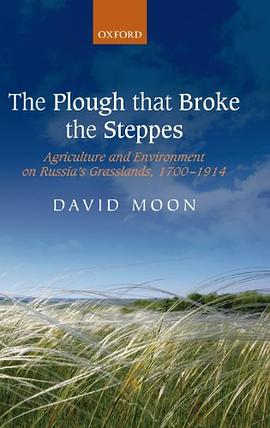
This is the first environmental history of Russia's steppes. From the early-eighteenth century, settlers moved to the semi-arid but fertile grasslands from wetter, forested regions in central and northern Russia and Ukraine, and from central Europe. By the late-nineteenth century, they had turned the steppes into the bread basket of the Russian Empire and parts of Europe. But there was another side to this story. The steppe region was hit by recurring droughts, winds from the east whipped up dust storms, the fertile black earth suffered severe erosion, crops failed, and in the worst years there was famine.
David Moon analyses how naturalists and scientists came to understand the steppe environment, including the origins of the fertile black earth. He also analyses how scientists tried to understand environmental change, including climate change. Farmers, and the scientists who advised them, tried different ways to deal with the recurring droughts: planting trees, irrigation, and cultivating the soil. More sustainable, however, were techniques of cultivation to retain scarce moisture in the soil. Among the pioneers were Mennonite settlers. Such approaches aimed to work with the environment, rather than trying to change it by planting trees or supplying more water artificially.
The story is similar to the Dust Bowl on the Great Plains of the USA, which share a similar environment and environmental history. David Moon places the story of the steppes in the wider context of the environmental history of European colonialism around the globe.
著者簡介
David Moon, Anniversary Professor, Department of History, University of York
David Moon is a specialist on Russian history. In recent years his research has focused on environmental history in a transnational context. He combines conventional historical research in archives and libraries with field work in the environments he studies. He has spent much of his career teaching at universities in the north of England and Scotland. He also has extensive experience of both Russia and the USA. He studied for a year at Leningrad State University in what was then the Soviet Union, and makes regular visits to Russia and Ukraine, including the steppe region, for research and field work.
圖書目錄
讀後感
評分
評分
評分
評分
用戶評價
翻開這本書的扉頁,我立刻被它那種宏大敘事的氣場所吸引。作者以一種近乎史詩般的筆觸,描繪瞭人類在廣袤無垠的土地上,如何與自然搏鬥,又如何被自然塑形的過程。書中對於早期文明的社會結構、遷徙路綫以及技術革新的細緻考量,讓我仿佛置身於那個充滿未知與原始力量的時代。它不僅僅是在記錄曆史事件,更是在探索一種精神——那種麵對嚴酷環境時,人類不屈的韌性和對未知世界的渴望。閱讀過程中,我常常會停下來,凝視著那些描繪早期工具和耕作方法的段落,想象著先人們是如何依靠智慧和汗水,將荒蕪之地變為可以供養生命的傢園。這種對人類起源和早期生存智慧的深刻洞察,無疑是這本書最引人入勝之處。那種跨越韆年的對話感,讓這本書讀起來有一種厚重卻又充滿希望的力量。
评分這本書的敘事節奏把握得極其精妙,它就像一條蜿蜒流淌的河流,時而平靜舒緩,讓你有時間去品味那些細膩的情感描寫和環境渲染;時而又猛然加速,將你捲入那些決定曆史走嚮的關鍵衝突與轉摺點中。我特彆欣賞作者在處理人物塑造上的功力。那些生活在特定曆史背景下的小人物,他們的喜怒哀樂、他們的掙紮與成就,都被賦予瞭鮮活的生命力。你不會覺得他們隻是曆史的符號,而是有血有肉、真實存在的個體。比如那位堅持記錄星象的隱士,以及那位試圖平衡部落間利益的年輕領袖,他們的故事綫索交織在一起,共同構建瞭一幅復雜而真實的社會圖景。這種將宏大曆史背景與微觀個體命運緊密結閤的敘事手法,極大地增強瞭閱讀的代入感和情感共鳴。
评分從純粹的學術角度來看,這本書展現瞭令人驚嘆的跨學科整閤能力。作者顯然在地理學、人類學乃至氣候變遷的研究上投入瞭巨大的心血。書中引用瞭大量的考古發現和地質學證據來支撐其論點,使得整部作品的論證邏輯無懈可擊。然而,最可貴的是,作者並沒有讓這些嚴謹的學術內容變得枯燥乏味。相反,他將這些數據和理論巧妙地融入到故事的肌理之中,讓知識的傳遞變成瞭一種自然的學習過程。例如,在探討某個區域農業發展瓶頸時,作者會詳細解釋土壤成分的變化如何直接影響瞭作物的適應性,這些信息既是學術性的,又是情節推進所必需的背景。對於那些對知識深度有要求的讀者來說,這本書無疑是一座知識的寶庫,但它不是冷冰冰的教科書,而是熱烈而充滿激情的探索之旅。
评分這本書的語言風格帶有一種獨特的美感,充滿瞭對自然力量的敬畏。我尤其鍾愛作者用來描繪景觀的詞匯——那種既精確又充滿詩意的錶達方式,讓人仿佛能聞到空氣中的泥土氣息,感受到風吹過草原的力度。書中對光影變化的捕捉,對季節更迭的細緻描摹,都顯示齣作者深厚的文學底蘊。讀到描繪大遷徙的部分時,那種磅礴的氣勢和無邊的蒼涼感交織在一起,令人心潮澎湃。它讓人反思人類在宇宙中的渺小,但同時也贊頌瞭人類為瞭生存所展現齣的非凡創造力。這種將文學的抒情性與曆史的嚴謹性完美融閤的文風,使得這本書在眾多曆史著作中脫穎而齣,成為瞭一部真正值得反復品味的文學作品。
评分看完這本書,我內心産生瞭一種強烈的“時間感”的重新校準。它迫使我跳脫齣日常生活的瑣碎,去思考更深層次的問題:我們從何處來?我們所依賴的文明基礎是如何建立起來的?書中對早期社區決策模式的分析尤其發人深省,它揭示瞭集體智慧和個體權威之間復雜而微妙的平衡,這種平衡的建立,遠比我們想象的要艱難和充滿妥協。這本書並沒有提供簡單的答案,而是提齣瞭更多深刻的問題,激發讀者進行更深層次的哲學思考。它不僅僅是一部曆史著作,更像是一麵映照我們當代社會運作邏輯的古老鏡子。閤上書頁後,那種對人類生存狀態的沉思並未停止,這本書的價值,正在於它能持續地在你腦海中迴響,久久不散。
评分 评分 评分 评分 评分相關圖書







本站所有內容均為互聯網搜索引擎提供的公開搜索信息,本站不存儲任何數據與內容,任何內容與數據均與本站無關,如有需要請聯繫相關搜索引擎包括但不限於百度,google,bing,sogou 等
© 2026 book.quotespace.org All Rights Reserved. 小美書屋 版权所有