

具体描述
How many victims of cancer have thought, "If only I could order up a cure"?
Rick Murdock could.
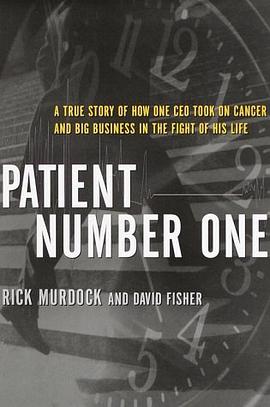
In an extraordinary book that proves that truth can be stranger than fiction, Rick Murdock tells the dramatic story of his fight against a deadly lymphoma that could only be treated with technology developed by his own biotech company, and the equally harrowing battle for the survival of his company in a bruising legal dispute with a multibillion-dollar medical products giant.
Rick Murdock was forty-four years old when he was named CEO of CellPro, a thriving biotech company in Seattle that was reaping the benefits of the biotech boom in the late 1980s and early '90s. Wall Street money fueled the flame of cutting-edge research at start-up companies like CellPro, where dedicated scientists were researching treatments that showed great promise in the fight against cancer and other diseases. But then Rick found a lump in his neck, evidence of the acute mantle cell lymphoma raging through his system. This rare form of cancer had no cure: Without a miracle, Rick would die.
At CellPro, Rick found his miracle workers. In a stunning twist of fate, Rick's staff was experimenting with a radical new treatment for advanced lymphomas, though the scientists were months, if not years, away from success. Knowing they were their boss's last hope, these researchers went to work on the experiment that could save Rick's life. If they were successful, Rick would become "patient number one," the guinea pig for a technology that had never been used on humans.
The thrilling race against time to save Rick's life is only part of this remarkable story. For while Rick was fighting for his own life, he was also battling a medical products behemoth named Baxter Healthcare and archaic patent laws that threatened CellPro. If CellPro was put out of business, the promising therapies it had been developing for victims of breast cancer, leukemia, lymphoma, and other deadly cancers could disappear. Patient Number One shares the intriguing story of how entrepreneurs and scientists came together to form CellPro, painting a vivid picture of how researchers work tirelessly to come up with new and better treatments for disease, while their financiers play a high-stakes financial game to make money from these medical endeavors. However, in the tradition of books like A Civil Action, Patient Number One is also an illuminating, often scathing look at how medical research is conducted in America today as the bottom line can get in the way of saving lives. Lawyers, politicians, researchers, executives, and investors all want a piece of the biotech pie and will stop at nothing to preserve their special interests, even if it means keeping life-saving treatments from the people who need them.
From tense courtroom scenes between the Goliath-like Baxter and tiny CellPro to anxious moments in the laboratory with Rick's staff and Rick's own agonizing cancer treatments, Patient Number One takes readers into the fascinating, frustrating world of medical research and how it directly affects us all.
作者简介
目录信息
读后感
评分
评分
评分
评分
用户评价
这部作品的节奏感掌握得如同一个醉汉的步伐,时而快得让人来不及喘息,信息如瀑布般倾泻而下,时而又戛然而止,陷入漫长的、几乎没有动作的哲学沉思。这种跳跃式的叙事,无疑是作者有意为之,用以模拟某种特定的精神状态或混乱的感知模式。然而,作为一个习惯于线性叙事的读者,我体验到的更多是断裂感和不适。就像在看一场剪辑混乱的蒙太奇电影,你瞥见了无数震撼的画面,却无法将它们拼接成一个连贯的场景。这种对连贯性的漠视,使得建立起对情境的深层理解变得异常困难。读到后半部分,我不得不频繁地回头查找前面的描述,试图重建那个被作者有意打碎的时间线和空间感。这无疑削弱了沉浸式的阅读体验,更像是在进行一项需要不断对照时间表的复杂工程。
评分我必须承认,作者构建的世界观极其宏大且具有令人敬畏的原创性。他似乎没有满足于任何现有的文学框架,而是凭空搭建了一个内部逻辑严密、却又完全反直觉的宇宙。其中的设定,涉及到的领域极其广泛,从晦涩的量子理论到古代的神话体系,都被巧妙地编织在一起。这让读者在阅读时,不断感受到一种“原来还可以这样思考”的震撼。然而,这种深度有时也成为了难以逾越的障碍。作者似乎完全不考虑读者的背景知识储备,直接将我们扔进了这个复杂系统的深处,期待我们能自行摸索出运行的规则。这种近乎“自说自话”的自信,虽然令人钦佩,但也让普通读者望而却步。它更像是一本写给特定领域专家研读的内部文献,而不是面向大众的文学作品,阅读的门槛高到让人感到一种智力上的压迫感。
评分这本书在情感表达上采取了一种极其克制甚至可以说是冷漠的态度。人物的内心活动被压缩到了极致,他们的动机和恐惧往往需要读者通过极其细微的外部动作和间接的对话来推测。这创造了一种独特的疏离美学,使得整个故事笼罩在一层薄薄的、近乎真空的氛围之中。你感觉不到角色们的痛苦或狂喜,只能以一个旁观者的、近乎科学观察者的角度去记录他们的行为模式。对于那些期待与书中人物建立深刻情感联结的读者来说,这无疑会是一次失望的经历。我渴望看到血肉的挣扎和热烈的希望,但得到的回馈却只有冷静、精确、几乎是机械化的文本记录。这使得尽管故事本身可能蕴含着巨大的悲剧性或哲思,但抵达读者心中的力量却被削弱了,最终留下的,是一种空旷的回响,而不是温暖的共鸣。
评分这本书的书名着实引人遐思,然而当我真正沉浸其中时,却发现自己仿佛置身于一个迷宫,四周的墙壁高耸入云,每条通道都通往一个我意想不到的岔路口。叙事的手法非常大胆,它没有给我们一个清晰的锚点,而是像一艘在暴风雨中颠簸的船,载着我们穿越一片片概念的海洋。作者似乎对手法的钻研远超对情节推进的关注,这导致阅读体验成了一种智力上的挑战,而非纯粹的享受。我经常需要停下来,反复揣摩一个看似无关紧要的词语,猜测它在整个宏大结构中的位置。这种阅读过程,与其说是放松,不如说更像是一场艰苦的考古挖掘,试图从层层堆叠的象征意义下,还原出一些可以被触摸到的真实。它要求读者具备极高的耐心和对文学技巧的敏感度,否则很容易在字里行间迷失方向,最终带着一头雾水和一丝挫败感合上书页。我欣赏这种打破常规的勇气,但同时也深感这种前卫带来的疏离感。
评分这本书的语言密度高得惊人,简直是一座座由精雕细琢的句子搭建起来的语言的纪念碑。每一个段落都像一个独立的微缩景观,充满了复杂的排比、精妙的比喻,以及那些只在专业词典里才能找到的古老词汇。这种对词语的偏执,让阅读过程变得异常缓慢而沉重。我感觉自己不是在阅读故事,而是在学习一门失传已久的语言的语法。这种对形式的极致追求,无疑展现了作者非凡的文字驾驭能力,其文笔的华丽程度,足以让许多老派文人汗颜。然而,代价是情感的抽离。当我试图去感受角色们的命运时,总有一层冰冷的、闪烁着学术光芒的文字外壳将我隔开。它更像是一份献给语言本身的颂歌,而非一次触动人心的旅程。读完之后,我脑海中回荡的,是那些句子本身的美感和复杂结构,而不是某个具体人物的喜怒哀乐。
评分 评分 评分 评分 评分相关图书






本站所有内容均为互联网搜索引擎提供的公开搜索信息,本站不存储任何数据与内容,任何内容与数据均与本站无关,如有需要请联系相关搜索引擎包括但不限于百度,google,bing,sogou 等
© 2026 book.quotespace.org All Rights Reserved. 小美书屋 版权所有