

具体描述
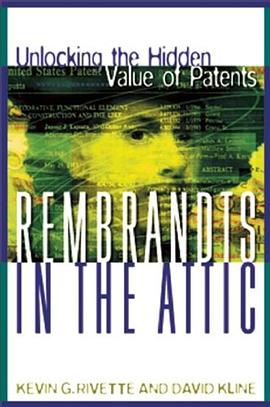
From "Forbes" and "Fortune" to the "Wall Street Journal" and "Harvard Business Review", the pundits are calling it the next corporate strategy challenge: how to use patents and other intellectual property not just as legal tools but as weapons of business competition. With "Rembrandts in the Attic", authors Kevin Rivette and David Kline provide the first practical and strategic guide that shows CEOs and other managers how to unlock the enormous financial and competitive power hidden in their patent portfolios. Writing engagingly and citing numerous case studies, the authors warn that firms can no longer ignore the growing power of patents in business competition. The competitive battles once fought for control of markets and raw materials are today increasingly being waged over the exclusive rights to new ideas and innovations. Where once executives may have feared that their competitors might out-market or out-produce them, they must now be concerned that rivals - especially in the booming e-commerce sectors of the Internet - may secure exclusive patent rights to the essential technologies or even to the fundamental business concepts that they need to be in business in the first place. "Rembrandts in the Attic" lifts the veil of secrecy surrounding the use of patents in business competition today, showing how some of the world's most successful firms - market leaders such as Intel and Microsoft, Lucent and Gillette, IBM, and Priceline.com - have used patents to capture and defend markets, outflank rivals, boost bottom-line revenues and shareholder return, and enhance the commercial success of their enterprises. "Rembrandts in the Attic" is a superb strategy guide that demonstrates the cross-functional value companies can gain by using patents and the gold mine of competitive intelligence that they contain. The book will enable readers to map out technology trends and convergences, uncover the strategies and capabilities of friends and foes alike, and strengthen the competitive efforts of every functional unit in the enterprise, from R&D and marketing to finance, human resources, and mergers and acquisitions. CEOs will learn how to use the authors' patent-enhanced 'Grow-Fix-Sell triage' to help them better allocate corporate resources and build a higher growth portfolio of businesses. R&D managers can employ the authors' 'IP-3' strategy to help build category-leading products, amplify the branding and marketing efforts devoted to them, and secure the key 'choke points' that sustain their product or service advantage. And business development executives will discover how to use patents as competitive intelligence tools to uncover the most attractive M&A opportunities, strengthen valuation and due diligence efforts, and configure asset sales and transfers to greatest advantage. If patents are the 'smart bombs' of tomorrow's business wars, then "Rembrandts in the Attic" is the definitive guide to deploying them for profit and competitive advantage.
作者简介
目录信息
读后感
评分
评分
评分
评分
用户评价
这本书的场景调度和气氛营造,无疑是顶尖水准的。作者对光影的运用,简直可以媲美电影大师的镜头语言。书中描绘的许多场景,如午夜时分的空旷图书馆、被雨水冲刷过的老旧画廊,都具有极强的空间感和压迫感。你仿佛能闻到空气中弥漫的湿冷气息,感受到微弱的灯光在墙壁上投下的摇曳阴影。这种感官上的沉浸感是极强的,使得即便是最平静的场景,也暗藏着未知的危机。与许多流行的快餐式阅读不同,这本书要求读者付出专注和耐心,它奖励那些愿意慢下来品味细节的读者。每一个配角的出现都不是为了推动主线,而是为了从侧面映照主角的某个特质或困境,他们的存在本身就是一则完整的小故事,这极大地丰富了整个故事的维度。我特别欣赏作者对于“沉默”的处理,在很多关键时刻,人物之间的沉默比任何激烈的争吵都更具杀伤力和信息量,作者用留白的方式,将最沉重的情感压力转移给了读者去填补,这种互动感非常迷人。
评分从文学技法的角度来看,这本书简直可以列为教科书级别的范本。最让我惊艳的是作者对象征手法的运用,简直达到了炉火纯青的地步。那些看似随处可见的物件——一把生锈的钥匙、一张泛黄的地图、甚至窗外那棵姿态扭曲的老橡树——都承载了远超其物质本身的意义,它们不断地在故事中闪现,像某种隐秘的密码,引导着读者进行深层次的解读。叙事者语气的转换也十分高明,有时是冷峻的记录者,有时则突然转变为某个角色内心最私密、最脆弱的声音,这种视角的切换如同魔术,让你在毫无准备的情况下,被拉入了另一个角色的皮肤之下。这本书的节奏感并非单一的线性加速,它更像是一种“回声效应”,重要的情节反复出现,但每一次都带着新的理解和更深的含义,让你感觉自己在跟随主角一同螺旋式地深入真相。我尝试去预测接下来的发展,但每一次预测都被作者巧妙地打破,不是因为情节的狗血反转,而是因为作者构建的世界观本身就具有极强的内在逻辑和无法预测的复杂性。
评分我得说,这本书的哲学深度简直是令人咋舌。它远非一部单纯的悬疑小说,更像是一面映照人性幽暗角落的镜子。作者似乎对“记忆的不可靠性”有着深刻的洞察,通过几个核心人物的视角冲突,不断地拷问着“真实”的边界。你读着读着,会不由自主地停下来,反思自己对某些往事的回忆是否也经过了时间的滤镜和自我的美化。叙事的结构极其精妙,采用了多线并行的手法,但高明之处在于,这些看似分散的线索,在关键时刻总能以一种令人拍案叫绝的方式交汇、碰撞,爆发出巨大的信息量。我非常喜欢作者在处理时间跨度时的手法,它不是简单的线性叙述,而是像水波纹一样,一层层向外扩散,过去的影响从未真正消散,反而渗透在每一个当下决策的肌理之中。读完其中关于“传承与背叛”那几章,我整夜未眠,脑海中充斥着关于道德困境的无尽思索。文笔上,作者的遣词造句显得极为克制和精准,绝无半点冗余的华丽辞藻,每一个词语都像经过了严格的筛选,直击靶心。这种清冷而有力的文字风格,与故事本身的沉重主题形成了完美的互文关系。
评分这本书的封面设计简直是一场视觉的盛宴,那种深邃的暗色调中透出一丝神秘的微光,让人立刻联想到旧日时光里那些尘封的秘密。我记得我是在一个昏暗的咖啡馆里翻开它的,纸张的触感带着一种温润的年代感,仿佛能触摸到作者在书写时指尖留下的温度。故事的开篇,那段关于家族历史的回溯,叙事方式极其细腻,像是用最顶级的羊毛线精心编织的一张网,将你温柔地困住。作者对环境的描摹达到了近乎偏执的程度,无论是乡间小路的泥土气味,还是古老宅邸中木地板发出的特定频率的吱呀声,都被捕捉得栩栩如生。特别是主角初次踏入那个被遗忘的阁楼空间时的心理活动,那种夹杂着恐惧、好奇与敬畏的复杂情感,几乎让我感同身受地屏住了呼吸。情节的推进并不急躁,它更像是一场精心策划的慢跑,每一步都踏得沉稳有力,为后续的爆发积蓄着强大的势能。我尤其欣赏作者在人物对话中展现出的那种不动声色的张力,寥寥数语,人物的阶级、性格和隐藏的动机便跃然纸上。这本书的节奏控制得如同顶尖交响乐团的指挥,高低起伏,抑扬顿挫,让人完全沉浸在那个充满未解谜团的世界里,迫不及待地想知道下一页会揭示什么。
评分这本书最打动我的,是它对“失落感”的极致刻画。它捕捉到了一种普遍存在于现代人心中的、对某种本真状态的渴望与追寻的徒劳感。作者在描绘人物的内心世界时,采用了大量的内心独白和意识流的片段,这些片段拼凑出了一个又一个破碎但真实的人生切面。你感觉不到任何说教的意图,但读完之后,却仿佛经历了一场深层的心灵洗涤。比如其中一段关于“失去童年庇护所”的描写,那种对逝去安全感的怀念,细腻到让人心头一紧,仿佛作者偷窥了每个人内心深处最柔软的角落。小说的信息密度极高,你不能分心去处理其他事情,否则很容易错过那些隐藏在段落之间的细微线索。我甚至有两三次不得不退回去重读某一段话,不是因为没看懂,而是因为被其中一个微妙的情感转折所震慑住了。这本书的魅力在于它不提供简单的答案,它更像是一场邀请,邀请你与角色一同在迷雾中摸索,去面对那些我们通常选择逃避的生命难题。
评分 评分 评分 评分 评分相关图书












本站所有内容均为互联网搜索引擎提供的公开搜索信息,本站不存储任何数据与内容,任何内容与数据均与本站无关,如有需要请联系相关搜索引擎包括但不限于百度,google,bing,sogou 等
© 2026 book.quotespace.org All Rights Reserved. 小美书屋 版权所有