

具体描述
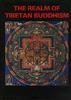
The Realm of Tibetan Buddhism
Esoteric Buddhism, which originated in ancient
India, was introduced into Tibet in the seventh cen-
tury. Since then, it has evolved in a different social
and historical environment into.a unique sect known
as Tibetan Esoteric Buddhism. Regarded by the Ti-
betan Buddhists as "the essence of the sacred reli-
gion", it has a long tradition in Tibet and its influence
on the culture, history and the life of the Tibetan
people has been very strong. To gain a true under-
standing of Tibetan Esoteric Buddhism, one has to
study not only its canonical texts, but its works of art
related to the religious beliefs. These works, in the
various forms and expressions, will bring one into
visual contact with the religious order.
The Realm of Tlbetan Buddhlsm outlines the
origin, development, canonical texts, meditative
practices and, in particular, the works of art related
to Tibetan Esoteric Buddhism. These works of art are
divided into eight categories: bronzes, cloth painting,
frescoes, clay moulding, wood carving. wood tablet
painting, stone carving and ritual objects. The 159
pictures contained in this book which amply show the
works of art in their traditional style, are taken
directly from various sites in Tibet during a period of
five years. Many of the objccts shown in the pictures
are valuable cultural relics and arc rare items of art
in Tibet. The Realm of Tibetan Buddhism, with its
scholarly introduction and precious pictures, will be
of enormous value to artists, students and scholars
of Buddhism in general and of Tibetan Buddhism in
particular.
作者简介
About the Authors
Li Jicheng, bom 1934, is one of thc top experts on thc
study of Tibetan Buddhism in China. He was a student of
Tibetan history and culture at the Central Nationalities
Institute in Beijing in the fifties. In 1965. he joined the
Institute of World Religions under the Chinese Academy of
Social Sciences and dedicated most of his time to the
research work on Tibetan Buddhism. Because of his know-
ledge of the region and the Tibetan language, he was sent
to northem Tibet in 1974 to help to set up a secondary
school. During his two years stay there, he visited a large
number of lamaseries, discussed extensively with the lamas
and deepened enormously his understanding of the Esoteric
Sect. In 1978, he made another research trip to Tibet and
studied profoundly the canons and art of the religion. It
was during this visit that he encountered the co-author and
chief photographer of this book, Mr. Ku Shoukang and
concluded a collaboration on the prcsent work.
Li Jicheng is now an associated research fellow at the
Institute of World Religions and deputy secretary-general
of the Tibetan Buddhism Research Society of Beijing. He
is co-editor of a book entitled A Concise History of Tibet
and author of many books and articles, including "The
Invasion of Tibet by Tsarist Russia", "A Survey of the
Research Work on Tibetan Buddhism in Forcign Coun-
tries", "A Survey of the Research Work on Bon-po in
Foreign Countries", "The Spread of the Rnying-ma-pa Sect
of Tibetan Buddhism in Europe" and The Archltecture of
the Tibetan Lamaseries and Buddhist Art. He also trans-
lated a number of related articles by Western authorities
and is at present writirig a book entitled Tibetan Buddh-
ism.
Ku Shoukang is a well-known journalist and photogra-
pher who won many national awards for his outstanding
photos. His reports and photos have been carried by many
newspapers and magazines inside and outside China. Since
1956, he had been working as art editor and then photo
editor at the photographic department of the New China
News Agency in Beijmg, until he was transferred to Tibet
in 1977 as a resident correspondent of the Agency. It was
during the following five years that he, together with a
Tibetan photographer, Mr. Kang Song, travelled around
Tibet, visited the major lamaseries and took a great num-
ber of pictures of the religious buildings, the objects of art
they treasured, the lamas, the people and the religious
activities.
Ku is now living in Beijing and working as art editor of
the magazine Photographfc World.
目录信息
Publisher's Note
A Brief History of
Tibetan Esoteric Buddhism
Origin and Development
The Canonical Texts and Doctrines of
Tibetan Esoteric Buddhism
The Organisation, System and Gradation
of the Monastic Study of Tibetan Esoteric
Buddhism
The Art of Tibetan Buddhism
lllustration
Buddhist Bronzes
Thang-Ka
Frescoes
Clay Molding
Wood Carving and Wooden Tablet
Painting
Stone Carving
Ritual Objects
Appendices
1. Thang-Ka Paintings
2. Principal Terms in English
and Chinese
3. Principal Tibetan Buddhist Monasteries
and Temples
· · · · · · (收起)
读后感
评分
评分
评分
评分
用户评价
这本书的学术严谨性令人印象深刻,它显然是基于大量一手资料和考古发现撰写而成。我之所以这么说,是因为书中对一些传世珍宝的年代考证和源流追溯非常细致。它不仅仅停留在对艺术形式的赞美,更关注艺术品背后的历史脉络和文化交流。比如,书中对比了印度犍陀罗艺术对西藏早期造像风格的影响,以及后来尼泊尔工匠对西藏金属铸造工艺的革新,这些跨地域、跨时代的比较分析,为我构建了一个完整的藏传艺术发展图景。特别是它对“金刚杵”和“嘎乌盒”等法器的材料学和工艺细节的描述,非常专业,几乎可以作为工艺美术史的参考资料。对于那些希望深入研究藏区宗教艺术史的学者或爱好者来说,这本书提供的参考注释和引文系统是无价之宝,绝非市面上那些泛泛而谈的旅游指南类书籍可比拟的。
评分我最近迷上了藏传佛教的哲学思辨,一直在寻找能将抽象概念具象化的读物,这本书恰好填补了这个空白。我特别欣赏作者在论述“本尊相”时所采取的细致入微的解读方法。很多佛像的每一个手势、每一种法器,甚至于莲花座的层数都有其特定的含义,以前我总觉得这些符号太多太杂乱,难以记忆,但这本书将复杂的仪轨和心法巧妙地融入到对图像的描述中。例如,关于愤怒相护法神的描绘,作者并没有避开其“恐怖”的外表,而是用大量的篇幅解释了这种“忿怒”实则是慈悲的另一种体现,是对无明和执念的强力降伏。这种深层次的文化翻译工作做得非常成功,让一个对密宗心存敬畏但又略感陌生的读者,能够循序渐进地走入这个神秘的世界。书中对“曼陀罗”的讲解部分尤为精彩,它不只是一张画,更是一个可供修持的微缩宇宙,读罢此章,我仿佛亲历了一次视觉的“灌顶”。
评分对于一个纯粹从美学角度欣赏佛教造像的人来说,这本书的摄影和排版简直是教科书级别的典范。那些佛像和壁画的细节特写,光影的处理简直妙到毫巅,能让你清晰地看到泥塑表面经过千年岁月沉淀后留下的那种历史的肌理感,以及壁画颜料在光照下散发出的那种幽微的光泽。我尤其喜欢其中收录的几组关于“菩萨面容”的对比图集,不同菩萨的“慈悲相”是如何通过微调眉眼、嘴角和神态来传达出“大悲”、“大智”等不同德行的,那种微妙的表情差异,在高清照片下被无限放大了。这种对“神圣美学”的极致追求,让这本书超越了一般的图册范畴,它本身就是一件值得收藏的艺术品。每一次翻阅,都像是在与那些古代的匠人进行无声的对话,感受他们倾注于作品中的那份虔诚与技艺。
评分这本关于唐卡艺术的画册,简直是一场视觉的盛宴!我一直对藏传佛教的色彩运用和复杂符号系统非常好奇,这本书完全满足了我的求知欲。它不仅仅是简单地罗列了各种唐卡的图像,更深入地探讨了不同时期、不同流派的绘画风格演变。比如,早期布顿派的线条的简洁与后来的勉唐画派的细腻繁复形成了鲜明的对比,书里对这些细微差别的对比分析得非常到位,配图也极其高清,让我能清楚地分辨出金线描边的厚重感和矿物颜料带来的那种独特的温润光泽。尤其是关于“坛城”的构图原理,作者用近乎建筑学的视角去解读了空间布局的象征意义,让人恍然大悟,原来那些复杂的几何图形背后蕴含着如此严谨的宇宙观。读完之后,我再去观看任何一张唐卡,都会下意识地去寻找那些隐藏在图案之下的密宗哲理,而不是仅仅停留在表面的精美。这本书的装帧设计也相当考究,纸张的质感很好,捧在手里有种厚重感,完全配得上它所承载的文化重量。
评分说实话,我原本以为这会是一本晦涩难懂的专业书籍,但作者的叙事笔触却出乎意料地流畅和富有感染力。它没有用过多艰深的术语去吓退读者,而是像一位经验丰富的导游,带着你一步步走过西藏佛教艺术的辉煌殿堂。最让我感到亲切的是,书中穿插了许多关于寺院的描述,比如拉萨大昭寺的氛围,或者一些偏远山谷中佛塔的宁静,这些地理和人文的背景介绍,让那些冰冷的图像和符号瞬间有了鲜活的生命和温度。它让我明白了,这些艺术品不是孤立地存在于博物馆里,而是深深扎根于西藏那片土地的信仰与生活之中。读完后,我立刻计划去西藏朝圣,因为我已经对那里即将看到的景象有了一个充满期待和理解的预判,这绝对是一本能激发旅行热情和心灵共鸣的佳作。
评分图非常精彩,实地去看更好!
评分图非常精彩,实地去看更好!
评分#补标 2015#没想到,随意的翻开这本书后,我就一个人去了西藏。
评分#补标 2015#没想到,随意的翻开这本书后,我就一个人去了西藏。
评分图非常精彩,实地去看更好!
相关图书








本站所有内容均为互联网搜索引擎提供的公开搜索信息,本站不存储任何数据与内容,任何内容与数据均与本站无关,如有需要请联系相关搜索引擎包括但不限于百度,google,bing,sogou 等
© 2026 book.quotespace.org All Rights Reserved. 小美书屋 版权所有